Country Route
10 Days in Japan: A Balanced First Route Through Tokyo, Kyoto and Osaka
A first-time Japan itinerary that limits hotel changes, protects neighborhood days and uses long-distance trains deliberately.
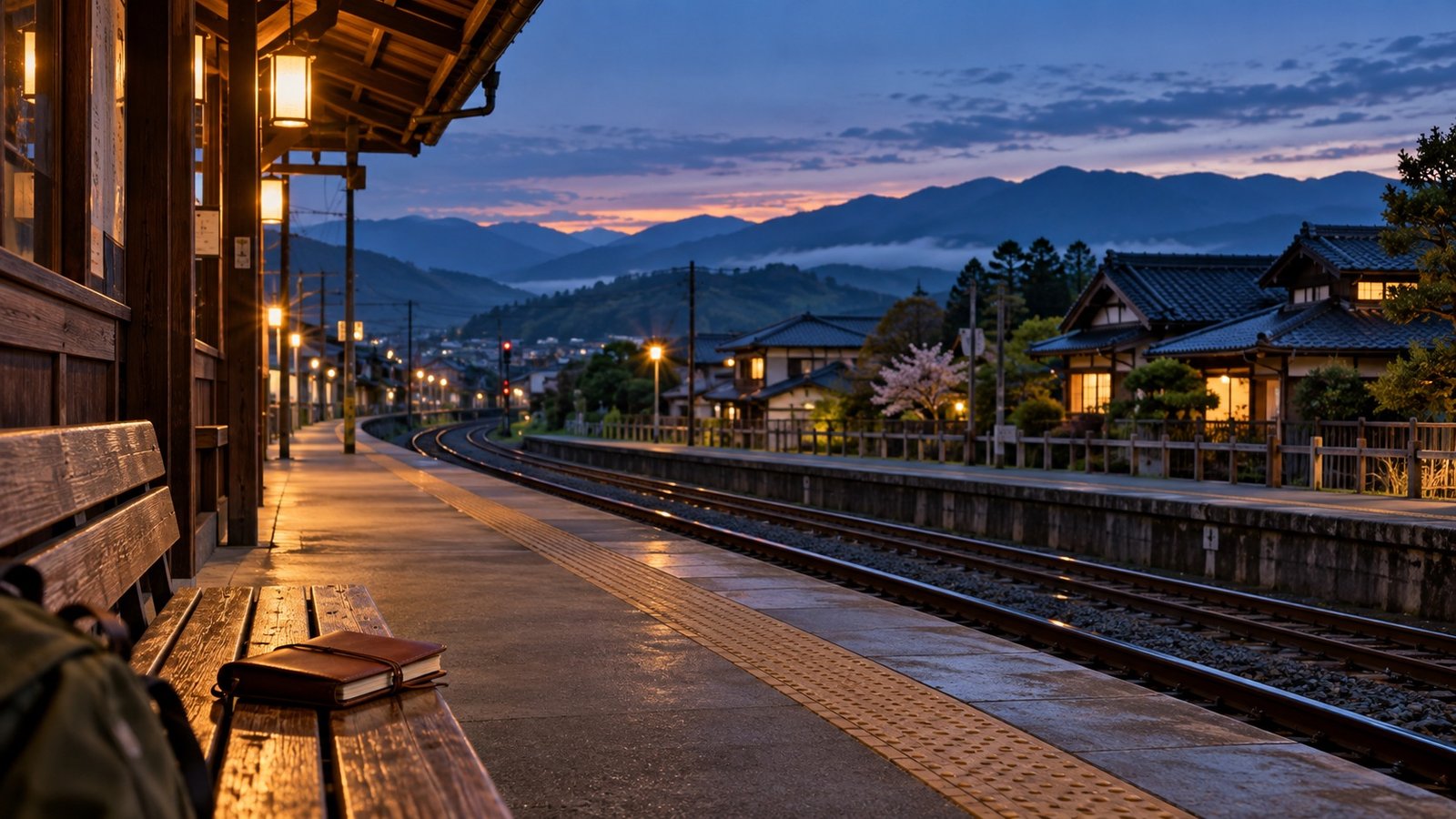
A ten-day accommodation structure
Suggested planning structure. Adjust for arrival time, energy and current access conditions.
| When | Area | Planning note |
|---|---|---|
| 1–4 | Tokyo | Light arrival day, then district clusters. |
| 5 | Transfer to Kyoto | Allow separate luggage and station time. |
| 6–8 | Kyoto | One temple district each day. |
| 9–10 | Osaka / departure | Choose the final night around the actual airport. |
A first-time Japan itinerary that limits hotel changes, protects neighborhood days and uses long-distance trains deliberately.
Start by reducing the number of cities
Tokyo, Kyoto and Osaka form a strong ten-day structure. Extra cities that look close on a map can cost half a day once check-out, luggage and navigation are included. Two major bases and one short stay often create more experience than a five-city sprint.
- At least four nights in Tokyo
- Three or four nights in Kyoto
- Treat Osaka as a base or day-trip option
- Plan luggage movement with every city change
Days 1–4 — Read Tokyo in districts
Keep arrival day light: the hotel area, transport setup and one nearby food district are enough. Use later days for western Tokyo, eastern Tokyo and one interest-led neighborhood day.
Shibuya, Harajuku and Shinjuku share a western axis; Asakusa, Ueno and the east have a different rhythm. Stay with one cluster each day instead of crossing the metropolis repeatedly.
Day 5 — Tokyo to Kyoto
Do not treat the transfer as a lost day. A calm check-out, station navigation, long-distance train and Kyoto check-in are already the day’s main plan. Add only one neighborhood walk afterward.
Large luggage complicates busy stations. Check current forwarding services, reservation requirements and size rules through official sources. A one-night small bag can simplify some routes.
Days 6–8 — Early Kyoto and quieter neighborhoods
Popular temple districts are calmer early. Separate eastern Kyoto, Arashiyama and the north-western axis. Give each day one major temple cluster and use the afternoon for quieter streets, a garden or a museum.
Respect photography and behavior rules in residential lanes. Avoiding private property, keeping passages clear and following signs is part of sustainable visiting.
Days 9–10 — Osaka and departure strategy
Use Osaka as a two-night stay or a day trip from Kyoto. If the flight leaves from Kansai, spending the final night around Osaka can simplify departure. Choose a market, museum or neighborhood focus beyond Dotonbori so the city is not reduced to one image.
Leave extra time for the airport. Finding platforms, using lifts and understanding ticket conditions in major stations can take longer than expected.
Transit card or rail pass?
Do not assume a national rail pass automatically saves money. Compare the current individual price of the intercity journeys you will actually take, then consider local cards separately. Use the Japan National Tourism Organization transport guide for current reservation and luggage rules.
Contactless transit cards can be convenient, but regional availability, phone compatibility and refund conditions change. Verify the current setup before travel.
Accommodation, budget and cultural preparation
In Tokyo, access to the right line matters more than an abstract central location. In Kyoto, balance early-start districts with station access. Room size, luggage space and check-in procedure are practical comfort factors.
Knowing about cash needs, limited public bins, quiet transit and orderly queues reduces friction. Observe local signs and behavior rather than treating etiquette as a memorized performance.
Make a small luggage plan
On the Tokyo departure day, consider going straight from the hotel to the station instead of adding a final attraction with suitcases. Reaching the station is not the same as reaching the platform; allow time for entrances, tickets and luggage. Ask each hotel separately about receiving or forwarding bags.
If forwarding luggage, do not assume same-day delivery. Confirm the delivery window and keep documents, medication, chargers and clothes for the next day with you. For early Kyoto visits, check hotel breakfast hours; an included meal is not useful if it starts after you need to leave.